Life in Culver City’s Creative Core Neighborhood
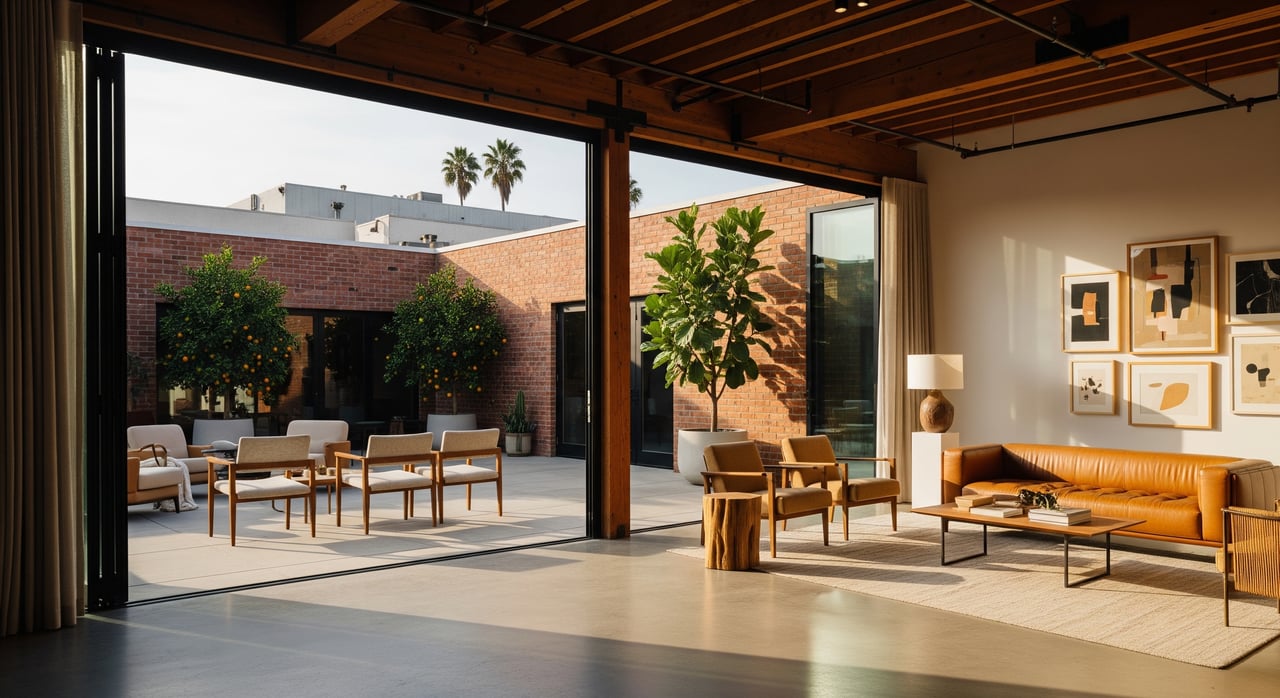
Love the idea of a small-urban lifestyle on the Westside where great coffee, creative studios, and dinner spots are a short walk away? If you’re curious about Culver City’s Creative Core, you’re not alone. Many buyers and renters want a home base that blends work-life convenience with neighborhood charm. In this guide, you’ll learn how daily life flows here, what housing looks like, how you get around, and how to decide if this pocket of Culver City fits your goals. Let’s dive in.
Culver City sits on the Westside of Los Angeles as its own incorporated city with local services, planning, and parks. The Creative Core centers around downtown Culver City, the Hayden Tract, the Helms Bakery and Platform districts, and the studio corridor near Sony Pictures and Culver Studios. Over the last decade, former industrial spaces have transformed into creative offices, design showrooms, and adaptive-reuse lofts.
You’ll notice a compact footprint and a strong daytime population thanks to production, streaming, and design-focused employers. That mix keeps the streets active, especially near restaurants and cafés. Evenings and weekends, the scene pivots to dining, casual nightlife, and the occasional gallery or screening.
Mornings start with coffee and breakfast spots filling up with residents and local office workers. By midday, creative offices are in full swing and fitness studios, retail, and lunch spots are steady. After work, the energy shifts to dinner, craft cocktails, and low-key bars concentrated downtown.
The Hayden Tract feels more industrial-loft during the day and livens up around mealtimes. Downtown around Main Street and Culver Boulevard is the most walkable zone, where you can run errands, meet friends, and catch transit without getting in the car.
You have several neighborhood parks for quick fresh-air breaks or playtime with pups. For a bigger workout with a payoff, the Baldwin Hills Scenic Overlook offers steep stairs, trails, and panoramic city views. If you prefer wheels to stairs, the Ballona Creek Bike Path connects you to Playa Del Rey and Venice for a breezy coastal ride.
Local bike lanes vary by street, so many residents pair cycling with transit or short drives. Plan on mixing modes if you’re aiming for a car-light routine.
Culver City’s dining scene spans easy brunch staples, quick counter-service options, and elevated restaurants clustered in the Platform and Helms Bakery District. Boutique retail and design showrooms dot these blocks, so you can window shop before or after a meal.
Nightlife is moderate compared with central LA or West Hollywood. Expect lively patios, neighborhood bars, and occasional events rather than a late-night club row. That balance is part of the appeal if you want activity without a 2 a.m. street scene.
You’ll find a real range of housing around the Creative Core:
If you value walkability and being close to studios and restaurants, expect to trade some space for location. For a bigger yard or quieter streets, look to the nearby single-family pockets and plan for a higher purchase price.
Culver City is part of the Westside market, so prices and rents are higher than many inland areas. Single-family home prices often run from the upper six figures into the multi-million range based on size, condition, and location. Condos and smaller homes can be more attainable within the city, though still above LA’s overall average.
Renters will see one-bedroom units commonly listed in the mid-to-upper thousands per month depending on building amenities and proximity to downtown. Inventory in the Creative Core is tight, so well-priced or well-located listings tend to move fast. Newly renovated condos and lofts often carry premiums.
Culver City offers a flexible set of transportation choices:
Typical commute expectations vary by time of day:
In denser areas, street parking can be permit controlled. Newer buildings commonly include resident parking, while some older or downtown properties have limited off-street options. Always check HOA rules, building parking policies, and city permit requirements before you commit.
The area’s economic backbone includes studio campuses, production services, creative and digital media firms, design agencies, and streaming-related offices. Retail, restaurants, health, and city services round out the local employment base.
Culver City operates its own city government, police and fire services, parks, and planning department. This local control helps the city balance studio uses with new creative offices and housing as it grows.
For schools, Culver City Unified School District serves the city. Private options exist across the broader Westside. If schools are a priority, check current ratings and district enrollment policies to verify the latest information for your needs.
Two ongoing patterns are shaping the Creative Core:
Because Culver City’s land area is small, large-scale new housing supply is constrained. That keeps pressure on prices unless broader regional supply expands nearby.
You’ll probably like living here if you:
You may prefer nearby single-family neighborhoods if you want larger yards, more privacy, and a quieter residential feel while staying within Culver City’s city limits.
If you’re buying, you get a local guide who understands micro-neighborhoods around downtown, Helms, the Hayden Tract, and nearby single-family pockets. You also get introductions to trusted lenders and on-the-ground insights that help you act quickly on competitive listings.
If you’re selling, a curated process improves your bottom line. From Compass Concierge improvements to professional staging and vendor coordination, you can reduce friction and present a standout home that attracts serious buyers fast.
Ready to explore condos near Platform, loft-style spaces in the Hayden Tract, or single-family homes in Carlson Park and Culver Crest? Reach out to Debbie Weiss for a tailored plan that fits your goals.
Debbie Weiss | Let’s Connect
Debbie is always available to talk about your real estate goals and help you get there. She loves what she does, connecting people and homes, so your call or text is always welcome.