Westchester's Fall Calendar Runs on Volunteers, Not City Hall
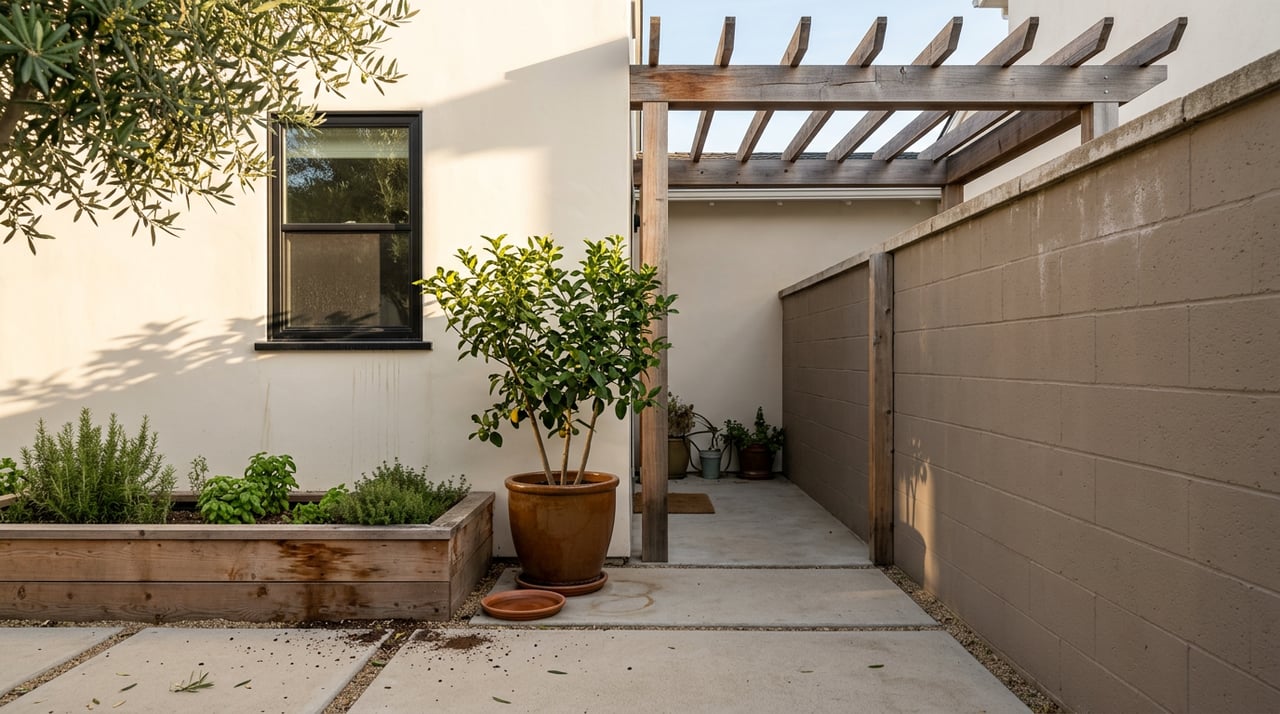
Walk down Emerson Avenue on a Saturday afternoon in September and you will find a chain-link garden gate propped open, a folding stage set up in the middle of the block, and a line for tacos that stretches past the community garden beds. Nobody put this together from a city planning office. A handful of neighbors did, and they have been doing it for years.
That is the thing about Westchester's fall lineup that a quick search will not tell you. The events that define this neighborhood's calendar, the ones people actually plan their weekends around, are not run by the City of Los Angeles or by a developer's marketing budget. They come from three separate, volunteer-driven groups that have kept this corner of the Westside running its own way since long before Silicon Beach discovered the address. Knowing which group runs which weekend is the difference between showing up to the right block and wondering why nothing is happening on the wrong one.
The WAM Block Party, short for Westchester Arts & Music, is the neighborhood's one big annual swing, and it happens on Saturday, September 19, 2026, from noon to 7 p.m. The address is 8050 Emerson Avenue, between 80th Street and 80th Place, and the host is not a city agency. It is the Emerson Avenue Community Garden Club, a nonprofit that spends the rest of the year tending garden plots on that same block.
The event itself is free and built for a full day out: live bands and dance performances, local artists selling work, food trucks, a beer and wine garden for the adults, kids' activities, and garden tours through the plots that make the whole thing possible. Proceeds go back to local nonprofits, which is a detail that matters if you have ever wondered why a street fair in a residential pocket of Westchester needs an insurance form for vendors. It runs on donations and booth fees, not tax dollars.
If you are planning around it, arrive on the early side. Vendor space has sold out in past years, and the garden tours tend to draw a crowd before the afternoon heat sets in.
Most people who have lived in Westchester for more than a season already know there is a farmers market. Fewer know it runs twice a week in two different moods, both organized by the Westchester Town Center Business Improvement District, a group that has run the market since founding it in 2017.
The Sunday market sets up in the Downtown Triangle at 6200 West 87th Street from 9 a.m. to 1 p.m. It is the bigger, slower version, the one where you run into three neighbors before you reach the produce stand and the live music makes it easy to linger. The Wednesday market moves to Westchester Park at 7114 West Manchester Avenue, running 2 to 7 p.m., which puts it right after school and work let out. Same vendors rotate through both, but the rhythm is different. Sunday is a destination. Wednesday is a stop on the way home.
The BID structure behind it is worth noting for a different reason. Net proceeds fund the neighborhood's holiday events and beautification projects, which means the market is not just a produce stop. It is one of the few self-sustaining line items in Westchester's community budget, and it has been quietly funding itself for close to a decade.
Here is a detail that trips up almost everyone new to the area. The community theater troupe that performs in Westchester is called Kentwood Players, named for the small residential pocket a mile or so away, but the building where they stage every show is the Westchester Playhouse, at 8301 Hindry Avenue. Two names, one address, and no relation to a franchise or a city cultural office. Kentwood Players is a fully volunteer-run company that has been mounting productions here for decades.
Their 2026 season opened in January with Neil Simon's Lost in Yonkers, followed by the West Coast premiere of Ken Levine's Guilty Pleasures in March. The company's current run on stage is Next to Normal, the Tony Award and Pulitzer Prize winning musical about a family navigating a mother's bipolar disorder. Season tickets for all six shows run $105 per person. Individual seats are $25 for non-musicals and $30 for musicals, with a $4 discount for seniors, students, and military.
The cast and crew have a habit of showing up at the Sunday farmers market to promote whatever is opening next, which is as good a sign as any that these three institutions, the garden club, the BID, and the theater troupe, know each other and lean on each other's audiences.
None of this happens in a vacuum. Westchester's food scene has quietly filled in around these events, and a few spots have become the default landing point once the market closes or the curtain comes down.
None of these are new discoveries for anyone who has lived here a while, but seeing them laid out against the calendar makes the pattern clear. The neighborhood's social life does not center on one big commercial strip. It threads through small operators who happen to sit within a few blocks of wherever the community is already gathering that week.
Put the three institutions side by side and the pattern holds. A garden club runs the one big annual party. A business improvement district runs the twice-weekly market and recycles the proceeds into the neighborhood's other events. A volunteer theater troupe named for one pocket of the area performs in a building named for the whole neighborhood, and its cast shows up at the market to sell tickets. None of it is coordinated by a single office, and none of it needs to be. That is a more accurate description of how Westchester actually functions than any list of amenities.
If you want to see how these same blocks show up in the housing market throughout the year, our Westchester neighborhood page tracks what is currently listed and what has recently closed. And if you are weighing whether this stretch of the Westside fits your next chapter, Debbie Weiss has spent years working these same streets and knows exactly which block the garden gate opens on. Let's Connect.
Debbie is always available to talk about your real estate goals and help you get there. She loves what she does, connecting people and homes, so your call or text is always welcome.