Santa Monica Move-Up Seller Market Guide & Trends
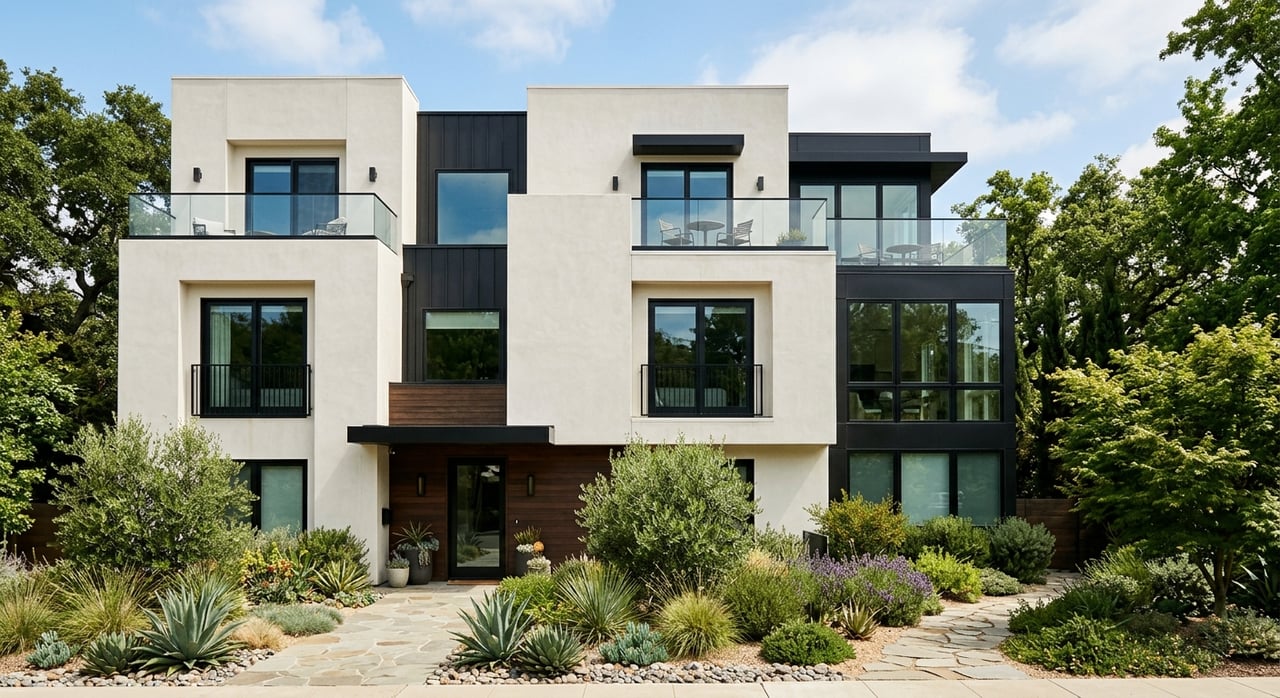
Thinking about selling your current Santa Monica home and buying something larger? That move can feel exciting on paper and complicated in real life. In a market where prices, timing, and negotiation conditions vary by property type, you need a plan that looks at both your sale and your next purchase together. This guide breaks down what Santa Monica move-up sellers should know now, and how to prepare for a smoother transition. Let’s dive in.
Santa Monica is showing a softer market overall, but not every data point tells the same story. Redfin’s March 2026 data shows a median sale price of $1,564,500, median days on market of 52, 50 homes sold, and a 98.1% sale-to-list ratio. That same report also shows that 24.0% of homes sold above list price and 22.2% of listings had price drops.
Other sources frame the market a little differently. Zillow’s Santa Monica home values page shows an average home value of $1,703,948, 221 homes for sale, 65 new listings, and 39 days to pending as of March 31, 2026. Realtor.com’s market overview reports a median listing price of $1.8M, 353 active listings, 46 median days on market, and labels Santa Monica a buyer’s market in its January 2026 summary.
The big takeaway is simple: Santa Monica is not a one-number market. Closed-sale prices, listing prices, and home-value indexes each measure something different, so move-up sellers need to look at a range of signals instead of relying on one headline number.
If you already own in Santa Monica, you may have strong equity. But that does not always mean the jump to your next home will feel easy.
According to Redfin’s property-type pricing data, the median sale price for a single-family home is $3,689,500. Compare that with $1,075,000 for a condo or co-op and $1,449,000 for a townhouse. That gap between a single-family home and a condo or co-op is $2,614,500, which is a major step up.
For many move-up sellers, that is the real story. You may be selling from a lower price band into a much higher one, which means your equity, financing, and monthly payment all need to work together.
Price differences inside Santa Monica are also significant. Zillow’s neighborhood-level values show a broad range, from Mid-City at $1,033,919 and Downtown/Third Street Promenade at $1,115,303 to Sunset Park at $2,276,348, Northeast at $2,784,399, and North of Montana at $4,858,538.
That spread matters if you are moving up within the same city. Selling in one part of Santa Monica and buying in another can create a very different financial picture, even before you factor in mortgage rates, down payment goals, and reserves.
It also means your strategy should be specific to your property type and target area. A condo seller moving to a townhouse has a different path than a townhouse owner moving into a single-family home.
The current market looks more selective than frenzied. Homes are still selling, but buyers appear to be more price-sensitive and more willing to wait for the right fit.
Redfin says the average home sells for about 1% below list price, while hot homes can go pending in around 28 days and sell for about 2% above list. Zillow shows 70.4% of sales under list price and 20.6% over list price. Combined with Realtor.com’s 46 median days on market, the message is clear: preparation and pricing matter.
For move-up sellers, this can actually be useful. A more negotiable market may create more room on your purchase, even if you need to be patient and strategic on your sale.
Inventory is sitting in the low hundreds, depending on the source. Zillow reports 221 homes for sale, while Realtor.com reports 353 active listings. That gives buyers more options than in a tight, ultra-competitive market.
At the same time, Santa Monica is not uniformly easy for buyers. Redfin notes that some homes still receive multiple offers, which suggests well-prepared, well-priced homes can stand out quickly.
If you are moving up, that balance can work in your favor. You may have more selection on the buy side, but you still need your current home to show well and launch with a smart pricing plan to capture serious first-week interest.
Interest rates remain a major part of the move-up equation. Freddie Mac reported a 30-year fixed mortgage rate of 6.30% on April 16, 2026, and the California Association of Realtors forecast a 6.0% average 30-year fixed rate for 2026.
That matters because the price jump from one Santa Monica property type to another can be substantial. Even if you have healthy equity, elevated borrowing costs can change your comfort level on monthly payments, cash reserves, and how much home you want to take on next.
The same C.A.R. forecast projects active listings in California to rise nearly 10% in 2026, home sales to rise 2%, and the statewide median price to rise 3.6% to $905,000. For Santa Monica buyers and sellers, that suggests somewhat better selection but still meaningful cost pressure.
A move-up sale is not just about getting the highest possible price. It is about protecting your next move.
That means you should focus on three numbers first:
Once those numbers are clear, you can make better decisions about timing, improvements, and whether selling first or buying first makes more sense for you.
In a market where many homes sell below list and some listings need price reductions, presentation can make a real difference. Buyers often respond best to homes that feel move-in ready, well-maintained, and clearly priced for current conditions.
This is where a high-touch plan can help. For sellers on the Westside, Debbie Weiss offers support with Compass Concierge improvements, curated staging, vendor coordination, targeted marketing, and hands-on transaction management. That kind of preparation can reduce friction before launch and help you compete more effectively once your home hits the market.
Before you put your home on the market, it helps to ask focused questions about your sale. The right answers can shape your pricing strategy and timeline.
Consider asking:
These questions are especially important if your move depends on unlocking equity from your current property.
Your purchase strategy deserves just as much attention as your listing plan. Because Santa Monica has such a wide spread between property types and neighborhoods, financing should be part of the conversation early.
Realtor.com notes that a pre-approval letter can make an offer stronger. For move-up sellers, an early lender conversation can help you understand what is realistic before you shop.
Useful questions include:
Timing matters because Santa Monica is moving, just not at the same speed across every listing. Current data points suggest a rough range of about 39 to 52 days to pending or sold, depending on the source and metric.
That means you should build in room for uncertainty. A well-prepared home may move faster, while an aspirationally priced home may sit longer and require adjustments.
If you sell first, ask how much time you may need between closings. If you buy first, make sure your financing and reserves can support that plan comfortably.
For most move-up sellers in Santa Monica, the strongest plan includes a few core steps:
A move-up sale can absolutely work in this market, but it usually works best when your sale strategy and purchase strategy are built together.
If you are weighing your next move in Santa Monica, Debbie Weiss can help you create a tailored plan for pricing, preparation, and timing so you can move with more clarity and confidence.
Debbie is always available to talk about your real estate goals and help you get there. She loves what she does, connecting people and homes, so your call or text is always welcome.