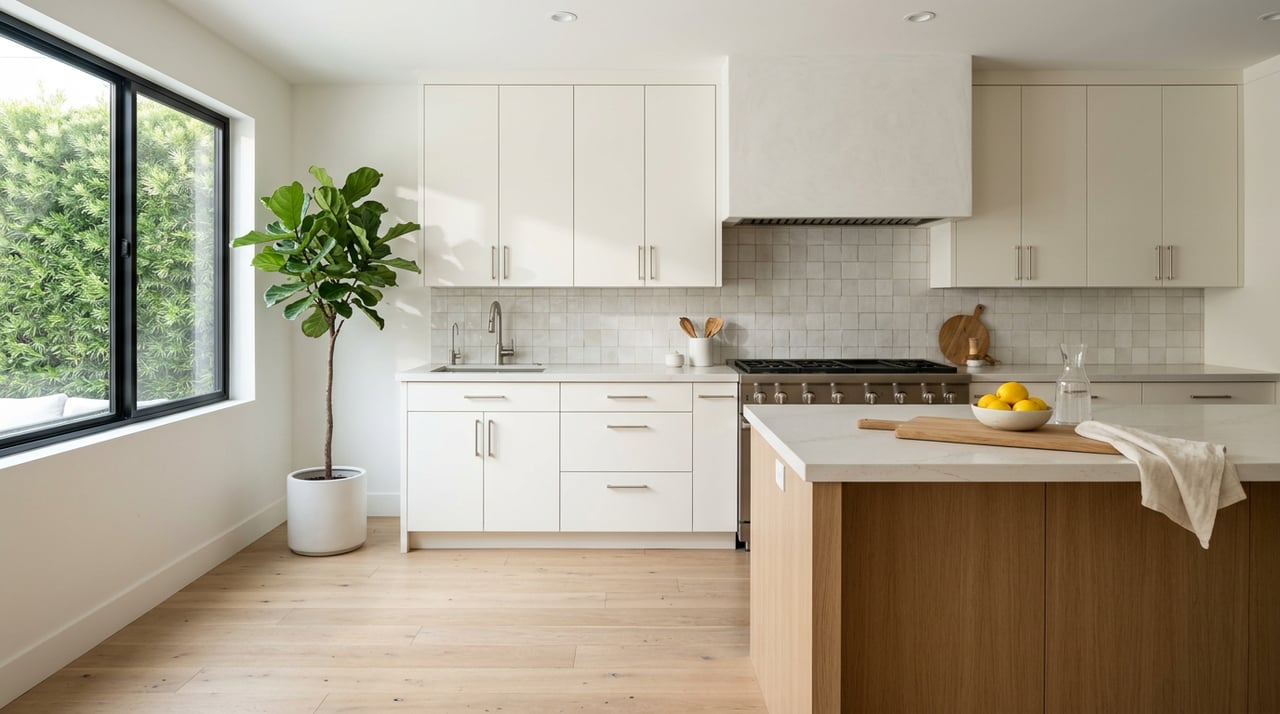
What if a few focused weekends could add real money to your Brentwood sale price and shave weeks off your time on market? If you plan to list within the next year, a clear room‑by‑room plan can reduce stress and help you hit the market with confidence. You want smart, high‑impact updates that look great online, show beautifully in person, and pass buyer scrutiny. This step‑by‑step checklist is built for Brentwood’s mix of flats and hillside homes and focuses on low‑cost fixes, staging, and compliance must‑dos. Let’s dive in.
Why presentation matters in Brentwood
Brentwood is a high‑value Westside neighborhood with a range of home types and price tiers. Entry and mid‑tier homes tend to move faster than ultra‑luxury estates, so presentation and pricing precision are key at every level. Many buyers here value indoor‑outdoor flow, privacy, and mature landscaping, along with move‑in‑ready kitchens and baths. For local context on the neighborhood’s mix of flats and canyons, review this Brentwood overview.
If your property is north of Sunset or near the canyons, check whether it sits in a Very High Fire Hazard Severity Zone. Buyers often ask about defensible space and home‑hardening, and you can verify your address on the state’s Fire Hazard Severity Zone page.
Your 6–12 month prep timeline
A simple, concierge‑style plan helps you use time wisely and avoid last‑minute rush.
6–12 months out
- Interview and select your listing agent. Ask about a seller concierge option that can coordinate or front prep services with repayment at closing.
- Order seller disclosure reports early. This can surface repairs to address before buyers see them.
- Begin scheduling painters, handypeople, and landscapers. If your HOA requires approvals, start now.
3–6 months out
- Declutter, depersonalize, and pack excess items. Aim for light, neutral, and open rooms.
- Complete deferred maintenance and small repairs. Touch paint, regrout tile, replace tired fixtures, and update worn hardware.
- Refresh curb appeal. Clean the driveway and walks, paint the front door, update exterior lighting, and tidy plantings.
- Consider low‑water landscaping. If you plan to remove turf, review LADWP’s Turf Replacement Program before starting.
- Pull permits early for any work that needs them, like window changes or electrical upgrades.
2–4 weeks out
- Stage key rooms and complete a final deep clean.
- Schedule professional photography, floor plans, and a virtual tour. Add twilight or drone shots if views are a selling point.
- Prepare marketing materials and set a flexible showing schedule.
Room‑by‑room checklist
Use these targeted steps to maximize impact without over‑investing.
Curb and exterior
- Repaint or refinish the front door and update hardware. A fresh, modern entry reads well in photos.
- Clean or refresh the garage door. Exterior replacements like garage and entry doors often score high on resale ROI in the Cost vs. Value Report.
- Pressure wash the driveway, walkway, and hardscape. Clean lines boost first impressions.
- Upgrade exterior lighting and house numbers. Aim for warm, even light at dusk showings.
- Simplify and tidy landscaping. Consider drought‑tolerant plants, mulch, and a few planters. Review LADWP rebates if replacing turf.
Entry, foyer, and living room
- Declutter and depersonalize. Remove family photos and visual distractions so buyers focus on space and light.
- Paint walls a fresh, neutral color. Touch up trim and doors for a crisp look.
- Layer lighting. Combine overhead, table, and floor lamps to create an even, inviting glow.
- Float furniture to encourage easy circulation. Create a clear focal point and sightline.
- Prioritize staging here. Agents widely cite the living room as the top staging target, and the NAR’s Home Staging report notes faster sales and value gains for staged homes.
Kitchen
- Deep clean every surface. Degrease cabinets, refresh grout, and clean inside appliances.
- Update low‑cost finishes. Swap cabinet hardware, faucet, and light fixtures for a modern look.
- Repaint cabinet faces if boxes are solid. Choose a neutral, light tone to brighten the room.
- Declutter counters. Keep only one or two styled items to signal space and function.
- Consider a “minor kitchen remodel” approach. Surface‑level updates often outperform full gut jobs on resale ROI per Cost vs. Value.
Dining area
- Keep the table staged but simple. Neutral runner, a low centerpiece, and updated lighting.
- Ensure chairs fit the space. Remove extras to open the room.
- Add a soft rug if it defines the zone and enhances flow from kitchen to living.
Primary bedroom and closets
- Create a calm, hotel‑like mood. Neutral bedding, two matching nightstands and lamps, minimal art.
- Remove bulky furniture. Open floor area and emphasize natural light.
- Maximize closet space. Box off‑season items and use matching slim hangers.
- Stage this room. Along with the living room and kitchen, the primary suite is a high‑impact staging zone per the NAR staging report.
Bathrooms
- Go spotless and bright. Regrout or recaulk where worn, polish fixtures, and clean glass.
- Replace tired mirrors and vanity lights. Crisp updates here punch above their cost.
- Keep counters clear. Add fresh white towels and a small plant for warmth.
Secondary bedrooms
- Keep them light and flexible. Neutral paint, simple bedding, minimal furniture.
- Frame a function. Guest room, nursery, or hobby space with uncluttered presentation.
- Ensure closets look organized. Storage reads as square footage to buyers.
Home office or bonus rooms
- Stage a defined workspace. Desk, task chair, good task lighting, and minimal decor.
- Hide cords and declutter shelves. Clean lines photograph better.
- If not an office, show an alternate purpose like a gym or play area.
Garage and storage
- Empty and organize. Add inexpensive shelving to show capacity.
- Remove floor clutter. Buyers notice clear, usable storage areas.
- Label bins for a tidy, move‑in‑ready impression.
Outdoor living, patios, decks, and pool
- Treat outdoor areas like living rooms. Clean surfaces, stage seating, add outdoor pillows and lanterns.
- Service lighting, BBQs, and pool equipment. Ensure everything works before showings.
- In hillside areas, maintain defensible space. Clear debris, trim vegetation, and clean gutters to align with buyer expectations and fire‑safety norms.
Systems, safety, and compliance
- Test and document smoke alarms and carbon monoxide detectors. California Health and Safety Code sets CO device requirements for many homes. Confirm compliance with HSC §17926.
- Brace the water heater and address obvious leaks or electrical issues.
- Keep receipts and manuals for recent repairs. Buyers and inspectors will ask.
Staging, photos, and tours that sell
Staging is one of the most leveraged steps you can take. The NAR’s staging findings note faster sales and value lift for staged listings. Industry snapshots from the Real Estate Staging Association also report strong ROI and sale‑to‑list performance for staged homes. While no outcome is guaranteed, the pattern is clear.
- Prioritize the living room, kitchen, and primary bedroom.
- Complete staging before photography. Photos drive online engagement and showing volume.
- Add floor plans and a virtual tour. Buyers value clarity in layout and flow.
- Use twilight or drone photos if views or outdoor spaces are a feature. These are common for Brentwood and help listings stand out.
Virtual staging can work for vacant rooms if disclosed per MLS rules. For occupied homes, a blend of decluttering with a few rental pieces often delivers the best value.
Permits, disclosures, and documentation
Los Angeles allows many cosmetic updates without permits, but structural changes, electrical panel upgrades, plumbing reroutes, window and door changes, decks, pools, and ADUs typically require plan check and permits. Start early with the City’s guidance on LADBS permits and ADUs, and ask each contractor if a permit is required.
In California, most residential sellers must deliver a Transfer Disclosure Statement and related statutory forms. Review the state’s language for the Transfer Disclosure Statement and ensure your Natural Hazard Disclosure is ready if applicable. Disclose any known unpermitted work up front to avoid delays in escrow.
Quick priority cheat sheet
- Declutter and deep clean every space.
- Apply fresh, neutral paint where needed.
- Complete targeted curb appeal upgrades at the door and garage.
- Do a minor kitchen refresh with hardware, lighting, and paint.
- Stage before professional photos and add a floor plan and tour.
These items consistently rank as high‑impact, cost‑effective moves in industry data, including Cost vs. Value and staging reports from NAR and RESA.
A Brentwood‑specific playbook, supported by service
Brentwood buyers expect clean design, easy indoor‑outdoor living, and a home that feels ready on day one. With the right plan, you can meet that bar without over‑investing. If you want a hands‑on partner to coordinate staging, align vendors, and manage a concierge‑style prep with repayment at closing, connect with a local Westside specialist who does this every week.
Ready to build your room‑by‑room plan and hit the market with confidence? Reach out to Debbie Weiss to start your tailored Brentwood prep and sale strategy.
FAQs
What low‑cost improvements help a Brentwood sale most?
- Focus on decluttering, fresh neutral paint, curb appeal at the front door and garage, a minor kitchen refresh, and professional staging before photos for maximum impact.
How do LADWP turf replacement rebates work for sellers?
- If you replace lawn with approved drought‑tolerant landscaping, you may qualify for per‑square‑foot rebates; review the current criteria and application steps on the LADWP Turf Replacement Program page before you start work.
Which rooms should I stage first if I am on a budget?
- Prioritize the living room, kitchen, and primary bedroom, which buyers and agents consistently rank as the most influential areas per the NAR staging report.
Do Brentwood hillside homes need fire‑safety prep before listing?
- Many hillside properties fall within mapped fire‑hazard zones; maintain defensible space, clear debris, and verify your property’s designation on the state’s Fire Hazard Severity Zone page.
Which permits and disclosures do Los Angeles sellers need to prepare?
- Cosmetic work often needs no permit, but structural, electrical, plumbing, window and door changes, decks, pools, and ADUs usually do; start with LADBS guidance, and prepare state disclosures like the Transfer Disclosure Statement early.
When should I schedule photography for my Brentwood home?
- Complete staging and a final deep clean first, then book professional photos, a floor plan, and a virtual tour; add twilight or drone shots if your home has views or standout outdoor spaces.