House Hacking a Mid City Duplex or Triplex
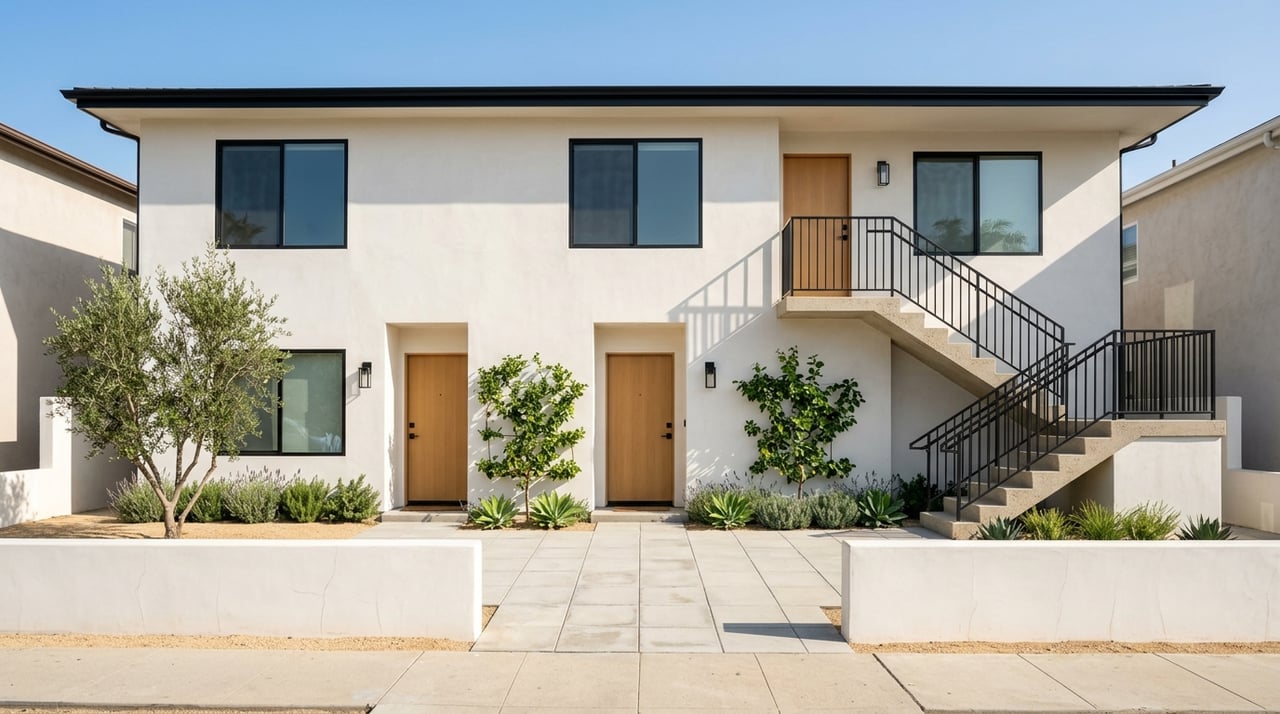
If you want to buy in central Los Angeles but high prices keep pushing the goal out of reach, house hacking may be worth a closer look. In Mid-City's 90019 ZIP code, duplexes and triplexes can offer a way to live in one unit while using rental income from the others to help cover your monthly costs. If you are curious about how this works, what to watch for, and why this strategy fits the area, this guide will walk you through the basics. Let’s dive in.
Mid-City is part of the Wilshire Community Plan area, which places it in a central part of Los Angeles alongside areas like Koreatown, Miracle Mile, and Hancock Park. For many buyers, that central location is the appeal. You may be able to stay closer to work, friends, and the neighborhoods you already enjoy instead of moving farther out for more space.
The housing mix also supports the idea. According to Census Reporter’s 90019 profile, the ZIP code has 59,548 residents in 3.9 square miles and a median owner-occupied home value of $1,273,700. It is a dense market with a large renter population, which matters if you are considering a small multifamily property.
A separate ZIP-level housing profile for 90019 shows why duplexes and triplexes stand out here. Of the area’s housing stock, 6,967 units are in 2-to-4-unit structures, or about 26.8% of all units. The same source also shows that about 73.5% of occupied units are renter-occupied, which points to steady demand for rental housing in the area.
House hacking usually means buying a small multifamily property, living in one unit as your primary residence, and renting out the other unit or units. In practical terms, that often looks like buying a duplex and renting one side, or buying a triplex and renting two units while you live in the third.
This setup matters because both FHA and Fannie Mae allow certain owner-occupied one-to-four-unit properties, and rental income from the non-owner units may be considered in underwriting. That can make a duplex or triplex different from buying a single-family home where you carry the full monthly cost on your own income.
The basic formats look like this:
For many buyers in 90019, duplexes and triplexes can hit the sweet spot. They can provide income potential without adding quite as much complexity as a fourplex.
If you are serious about house hacking, one of the first conversations should be with a lender who understands small multifamily financing. The reason is simple: not every duplex or triplex will qualify the same way.
According to HUD guidance, FHA-insured financing can apply to one-to-four-family owner-occupied properties, and for 2-to-4-unit properties the minimum required investment is often 3.5% in cases where the borrower and property qualify. For many first-time or early-stage buyers, that is a key reason house hacking gets attention.
Fannie Mae’s HomeReady underwriting guidance is another useful reference point. For a two-to-four-unit principal residence, the borrower must make a 3% minimum contribution from their own funds unless a grant is involved, and rental income from the other units may be used as qualifying income. Fannie Mae also notes that an occupant borrower may not have more than two financed properties.
Before you make offers, ask direct questions like:
These questions matter in 90019 because the building stock is older and underwriting may be more property-specific than many buyers expect.
One of the biggest facts to know about 90019 is that much of the housing stock is not new. The same ZIP-level profile shows that 87.3% of homes in the area were built in 1979 or earlier.
That does not make older duplexes and triplexes a bad idea. It simply means your due diligence needs to be thorough. With older small multifamily properties, details like permit history, actual unit count, deferred maintenance, and lender-required repairs can have a major impact on whether a deal makes sense.
When you tour properties, pay close attention to:
An older building with strong fundamentals can still be a smart buy. The key is knowing what you are buying before you commit.
In Los Angeles, rent rules are a major part of buying any duplex or triplex for house hacking. You should never assume every property follows the same rules.
The Los Angeles Housing Department says a rental unit may be subject to the city’s Rent Stabilization Ordinance if it was built on or before October 1, 1978. LAHD also notes that the city’s Just Cause Ordinance covers most rental properties not regulated by the RSO, including many units built after that date.
Because 90019 has an older housing stock, this is especially important here. A duplex or triplex may fall under RSO rules, Just Cause rules, state law, or some combination depending on the property and its status.
California’s AB 1482 is also part of the picture. The law limits many annual rent increases to 5% plus the local cost-of-living change, with a maximum increase of 10%, and applies to many residential properties that are not otherwise exempt.
Before closing on a Mid-City duplex or triplex, confirm:
This is one of the most important parts of evaluating a house-hack opportunity in 90019.
House hacking often sounds simple on paper. You live in one unit, rent the rest, and let that income offset your mortgage and operating costs. In real life, the numbers only work well when you plan for the gaps.
Even in a renter-heavy area, one vacant unit can significantly reduce the monthly offset you were counting on. That is why vacancy planning should be treated as part of your buying decision, not something to figure out later.
A practical way to think about it is this: more units can create more income potential, but they also create more exposure to turnover, repairs, and cash-flow changes. Fannie Mae’s guidance highlights this broader reality by tying rental income use to underwriting standards and property type considerations in owner-occupied 2-to-4-unit properties.
Before you buy, ask yourself:
If the answer is no, the issue may not be the property. It may be the timing.
House hacking can have tax implications that are easy to underestimate. If part of the property is your home and part is used as rental property, your expenses may not be as simple as they would be for a fully owner-occupied home.
The IRS says rental real estate income and expenses are generally reported on Schedule E, and common rental expenses can include maintenance, insurance, taxes, interest, and depreciation. The IRS also notes that mixed personal and rental use requires expense allocation.
That is why it is wise to talk with a tax professional before you buy, not just after closing. A good property can still surprise you if you do not understand how the numbers will be tracked and reported.
For many Mid-City buyers, the real question is not whether house hacking works. It is which version fits your comfort level.
| Property type | Potential upside | Main tradeoff |
|---|---|---|
| Duplex | Simpler setup, one rental unit to manage | Less rental income than a triplex |
| Triplex | Two rental units may provide more income support | More moving parts, more turnover and repair coordination |
A duplex may appeal to buyers who want a more manageable first step. A triplex may make sense if you want stronger income potential and feel prepared for more day-to-day coordination.
The best house-hack properties are not always the ones with the most doors. They are the ones where the financing, property condition, rent rules, and expected cash flow all work together.
As you review options in 90019, focus on the basics first. Is the property legally configured the way it is marketed? Does the building condition support your financing plan? Do the likely rents, vacancy risk, and operating costs still make sense when you use conservative assumptions?
A thoughtful buying process matters here. Mid-City offers the central location and housing mix that make house hacking attractive, but the age of the housing stock and the local rent-rule landscape mean details matter.
If you are exploring duplexes or triplexes in Los Angeles and want practical guidance on how to evaluate the opportunity, connect with Debbie Weiss. Debbie offers thoughtful buyer advocacy, local market insight, and lender introductions to help you move forward with clarity.
Debbie is always available to talk about your real estate goals and help you get there. She loves what she does, connecting people and homes, so your call or text is always welcome.