Culver City vs Mar Vista: Which Westside Fit Is Right?
Trying to choose between Culver City and Mar Vista? You are not alone. Many Westside buyers end up comparing these two areas because both offer strong everyday convenience, established housing, and access to the larger Los Angeles market, yet they live very differently day to day. If you want a clearer way to decide which one fits your budget, commute, and housing goals, this guide will help you sort through the tradeoffs. Let’s dive in.
The biggest difference between Culver City and Mar Vista is not just price. It is how your week actually feels once you live there.
Culver City tends to suit buyers who want a more connected, amenity-rich routine. Mar Vista tends to appeal to buyers who prefer a lower-density residential setting with a more neighborhood-oriented rhythm. If you are deciding between the two, think less about labels and more about how you want to move through your day.
Culver City has a broad housing mix, which can create more options as you search. According to the city’s 2020 housing element, the housing stock is almost evenly split between single-family and multi-family units, with detached homes and larger multi-family buildings each making up about 39% of the total stock.
That matters if you want flexibility. You may find single-family homes, condos, townhomes, and smaller multi-unit properties in the same city, which can make Culver City a practical choice if you are balancing lifestyle goals with budget limits.
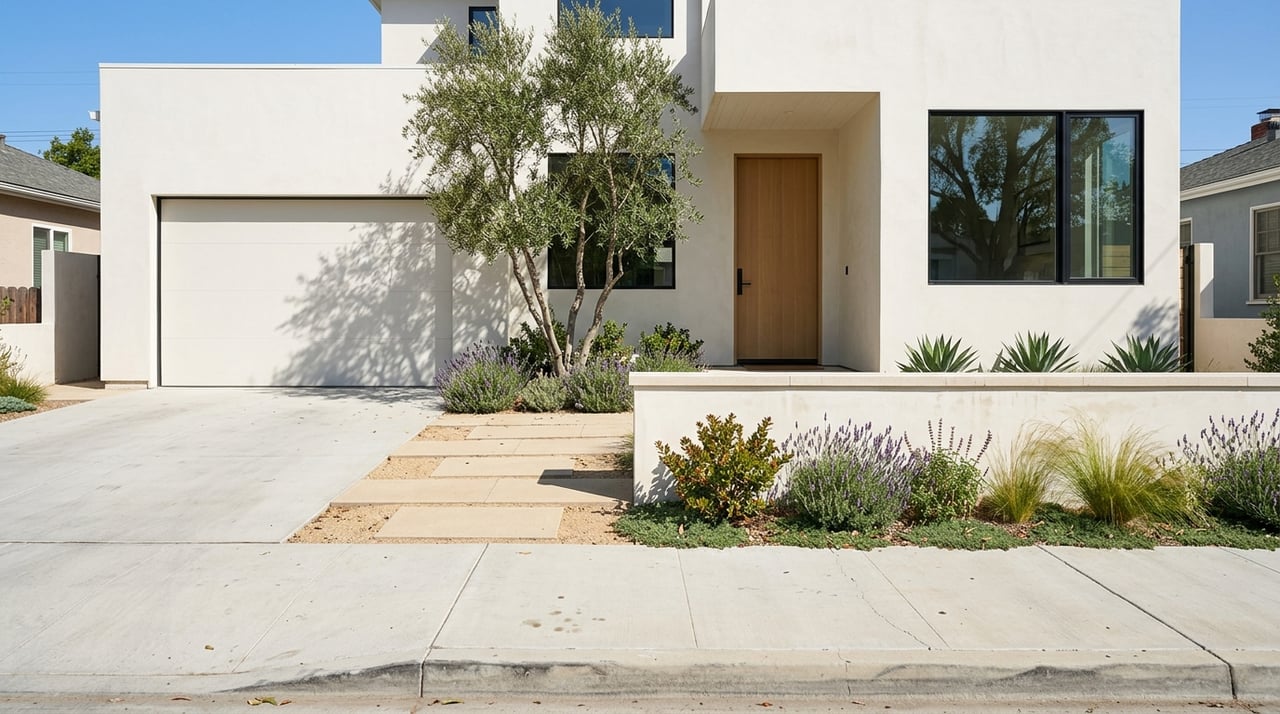
Mar Vista has a different feel. The Los Angeles community plan describes it as predominantly residential with a low-density character, and notes that one third of housing units are single-family dwellings.
Recent development in Mar Vista has largely involved rebuilding or remodeling existing single-family homes. If your search centers on detached homes and a more residential Westside atmosphere, Mar Vista may align more closely with what you have in mind.
If you are hoping for a large supply of brand-new homes, neither area is likely to feel like a new-construction market. Culver City’s housing element says the city is essentially built out, with recent growth coming mainly through redevelopment and urban infill.
It also notes that 63% of units were at least 50 years old and 92% were at least 30 years old. In practical terms, many buyers in both areas are evaluating existing homes, updated homes, or properties with renovation potential rather than brand-new inventory.
Price is often the deciding factor, and the gap here is meaningful. In March 2026, Redfin reported Culver City’s median sale price at $1.4 million, while Mar Vista’s median sale price was $2.1 million.
Other sources in the research show a similar pattern. Zillow placed Culver City’s average home value at about $1.32 million and Mar Vista’s median sale price at $2,021,000, while Realtor.com showed a median listing price of $1.19 million in Culver City and about $2.10 million in Mar Vista.
These figures are directional, not perfect apples-to-apples comparisons, because the geographies and housing mixes differ. Still, the takeaway is clear: Mar Vista is operating in a noticeably higher price band, while Culver City often gives buyers more entry points thanks to its broader housing mix.
If you are shopping in the upper end of the Westside market and want a stronger single-family orientation, Mar Vista may stay in the conversation. If you want more ways to enter the market without leaving the Westside, Culver City may deserve the first look.
If transit is a priority, Culver City has the clearer edge. Metro’s Culver City Station is served by the E Line, and Culver CityBus Line 1 connects downtown Culver City to the station and onward to Venice Beach while intersecting with Metro and Big Blue Bus routes.
For buyers who want rail as part of their regular routine, that can be a major quality-of-life advantage. It can also make Culver City more appealing if you prefer to structure your week around train and bus options rather than relying mostly on a car.
Mar Vista has solid transportation access too, but the pattern is different. The community plan says the area is served by Metro, LADOT commuter express, Big Blue Bus, and Culver CityBus lines, and it is traversed by the I-405, I-10, and SR-90 corridors.
That makes Mar Vista a practical choice for buyers whose routines are built more around driving and bus access. If you want the strongest rail option on the Westside, Culver City usually stands out more.
Culver City offers a more concentrated civic and retail experience, especially around downtown. The Culver Steps includes about 40,000 square feet of retail and restaurant space plus a 35,000-square-foot public plaza.
The city also hosts the year-round Culver City Farmers Market every Tuesday from 2 p.m. to 7 p.m. on Main Street in downtown. If you like a denser environment where errands, dining, and community spaces cluster together, Culver City may feel more convenient.
Mar Vista’s commercial pattern is described in the community plan as primarily small-scale and neighborhood-oriented. That often translates into a more local, residential feel rather than a defined downtown core.
The Mar Vista Certified Farmers’ Market runs every Sunday from 9 a.m. to 2 p.m. at Grand View and Venice. The Mar Vista Recreation Center also offers sports, camps, a seasonal pool, picnic areas, and other community programming, which adds to the area’s day-to-day neighborhood feel.
Sometimes the easiest way to choose is to match each area to the lifestyle you want most.
| Priority | Culver City | Mar Vista |
|---|---|---|
| Broader housing mix | Strong fit | More limited by comparison |
| Condo and townhome options | Stronger fit | Less central to the area’s identity |
| Lower-density residential feel | Moderate | Strong fit |
| Rail access | Strong fit | Less direct |
| Car-and-bus-oriented routine | Good | Strong fit |
| Denser errand and dining core | Strong fit | More neighborhood-scale |
| Higher single-family focus | Moderate | Stronger fit |
| Lower current median price band | Stronger fit | Less likely |
If you are still torn, ask yourself these three questions:
Do you want more housing choice or a stronger single-family feel?
Culver City offers more variety. Mar Vista leans more toward a residential, single-family pattern.
Is rail access part of your weekly routine?
Culver City is the better fit if you want the strongest Westside rail connection.
How much price flexibility do you need?
Mar Vista is currently the pricier market, while Culver City may offer more ways to buy into the Westside.
For many buyers, the answer comes down to this: Culver City usually works best if you want transit access, more housing types, and a denser daily-errand environment. Mar Vista usually makes more sense if you want a quieter residential feel and are comfortable buying in a higher price range.
The good news is that both areas offer established housing and strong Westside access. The right choice is the one that supports how you want to live, commute, and invest over time.
If you want help comparing specific homes, price bands, or micro-locations within the Westside, Debbie Weiss can help you narrow the search with local insight and a clear plan.
Debbie is always available to talk about your real estate goals and help you get there. She loves what she does, connecting people and homes, so your call or text is always welcome.